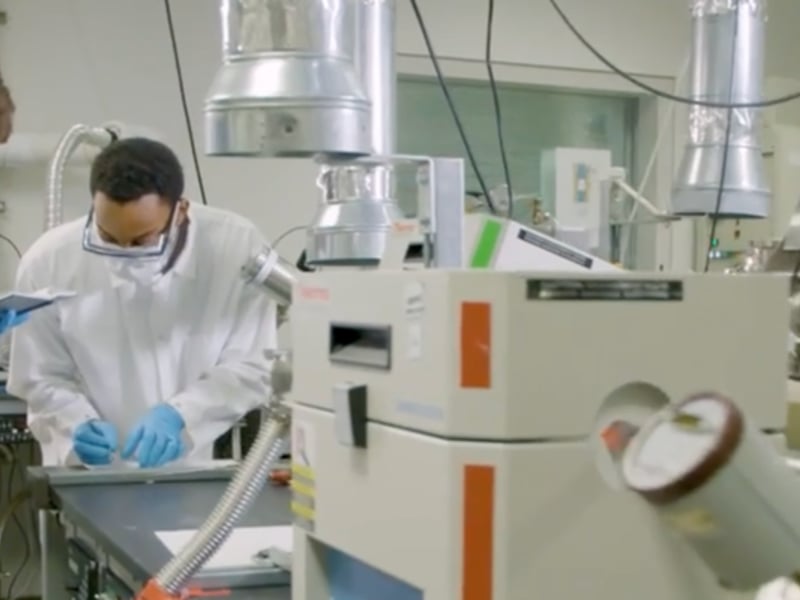
Advancing Materials Research for a Better Future
Explore the World of Materials Research
-

Research
MRSECs lead cutting-edge research in materials science, pushing the boundaries of innovation. Our interdisciplinary teams explore new materials and phenomena to address global challenges in technology, energy, and sustainability. -

Education
Our education initiatives foster the next generation of scientists and engineers. Through hands-on learning, outreach programs, and academic partnerships, we empower students at all levels to excel in materials science and related fields. -
'%3E%3Cpath d='M54.3165 64.5681L43.0008 51.1764V27.7015H44.416C45.5901 27.7015 46.541 26.7506 46.541 25.5765C46.541 24.4024 45.5901 23.4515 44.416 23.4515H40.8758C39.7017 23.4515 38.7508 24.4024 38.7508 25.5765V51.9945C38.7506 52.5206 38.946 53.0281 39.299 53.4182L47.9563 63.8668H21.0431L29.7004 53.4182C30.0534 53.028 30.2488 52.5206 30.2486 51.9944V25.5766C30.2486 24.4025 29.2977 23.4516 28.1236 23.4516H24.5833C23.4093 23.4516 22.4583 24.4025 22.4583 25.5766C22.4583 26.7506 23.4093 27.7016 24.5833 27.7016H25.9986V51.1764L14.6829 64.5682C14.4077 64.8733 14.2268 65.2516 14.1619 65.6573C14.0971 66.0631 14.1511 66.4789 14.3174 66.8546C14.4844 67.2304 14.7567 67.5497 15.1015 67.7737C15.4462 67.9978 15.8486 68.1171 16.2598 68.117H52.7396C53.1508 68.1171 53.5532 67.9978 53.8979 67.7737C54.2427 67.5497 54.515 67.2304 54.6819 66.8546C55.0219 66.0876 54.8796 65.1908 54.3165 64.5682V64.5681ZM32.3747 21.335C34.7164 21.335 36.6141 19.4363 36.6141 17.0956C36.6141 14.7571 34.7164 12.8584 32.3747 12.8584C30.0319 12.8584 28.1353 14.7571 28.1353 17.0956C28.1353 19.4363 30.0319 21.335 32.3747 21.335ZM46.2191 15.0269C50.3607 15.0269 53.7182 11.6843 53.7182 7.5618C53.7182 3.4393 50.3618 0.0966797 46.2191 0.0966797C42.0785 0.0966797 38.7199 3.4393 38.7199 7.5618C38.7199 11.6843 42.0785 15.0269 46.2191 15.0269ZM46.1861 4.33386C47.9563 4.33386 49.3959 5.76718 49.3959 7.52986C49.3959 9.29149 47.9563 10.7259 46.1861 10.7259C44.416 10.7259 42.9763 9.29149 42.9763 7.52986C42.9774 5.76718 44.416 4.33386 46.1861 4.33386Z' fill='%234B4D52'/%3E%3C/g%3E%3Cdefs%3E%3CclipPath id='clip0_29_451'%3E%3Crect width='68' height='68' fill='white' transform='translate(0.5 0.106201)'/%3E%3C/clipPath%3E%3C/defs%3E%3C/svg%3E%0A)
Industry
We bridge the gap between academia and industry by collaborating with leading companies to translate our research into real-world applications. Our industry partnerships drive innovation and contribute to economic growth through the development of new materials and technologies. -

Collaboration
MRSECs foster collaboration between academia and industry, enabling interdisciplinary teams to address complex materials challenges. They strengthen knowledge transfer, build partnerships across institutions and sectors, and encourage international cooperation to advance materials research and education.

Don't Miss This New Funding Opportunity
MRSEC Web Team
A new travel award will support up to five MRSEC trainees from any of the 20 current MRSEC Centers or their NSF-funded PREM partners across the United States to attend and present research at the 2026 Materials Research Society Spring Conference in Honolulu, Hawaii. Applications are due Sunday, March 22, at 11:55 p.m. PST.
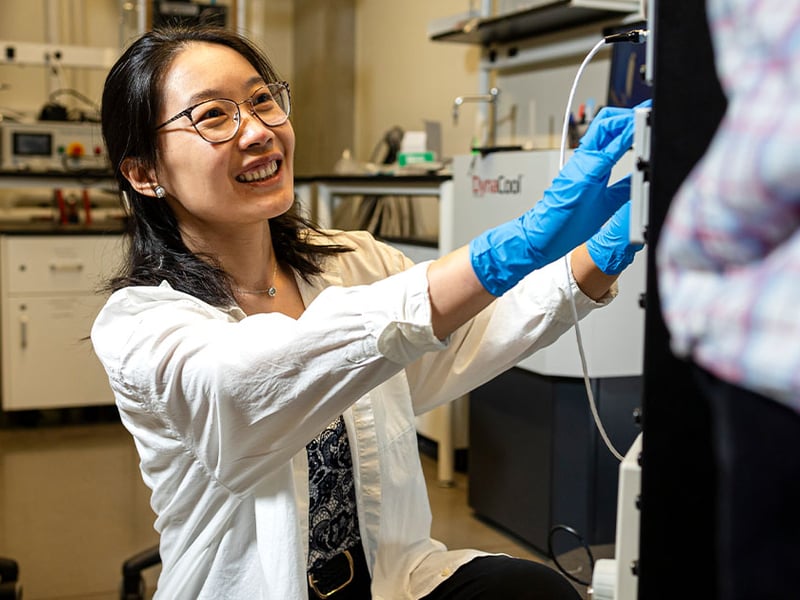
UTK-MRSEC’s PI Elected as a New SHUG Executive Committee Member
Yishu Wang has been elected as one of three new general members to the SNS-HFIR User Group (SHUG) Executive Committee (EC) starting January 1, 2026. SHUG consists of all persons interested in using the neutron scattering facilities at Oak Ridge. It provides input to the management on user concerns, provides a forum for keeping the entire community informed of issues and progress at these facilities, and serves as an advocacy group for neutron scattering science at these facilities.
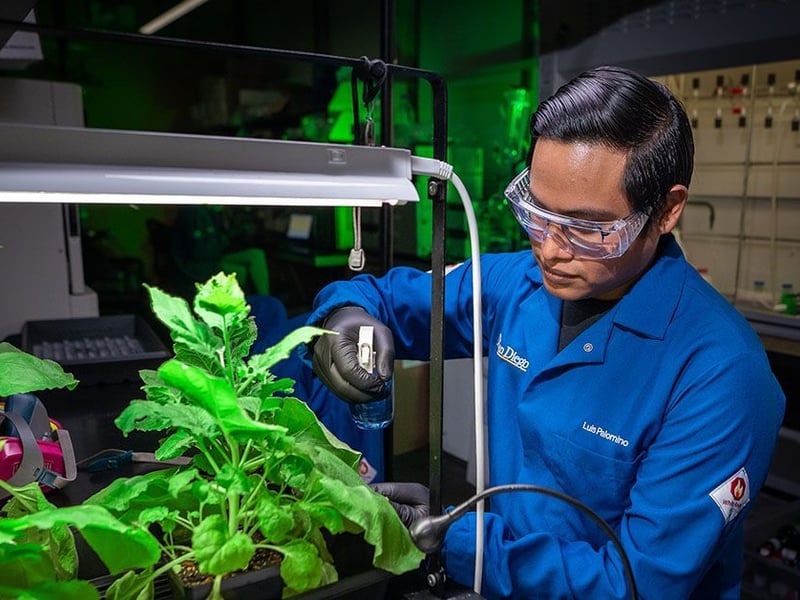
Spray-on Antibacterial Coating Offers New Protection for Plants Against Disease and Drought
By Liezel Labios/UC San Diego
Engineers at the University of California San Diego have developed a spray-on polymer coating that could help plants resist harmful bacterial infections and survive drought. The advance, published in ACS Materials Letters, could help strengthen global food security as increased environmental stresses continue to intensify plant disease pressures.
Pushing the Limits of Ionic Control of Materials: University of Minnesota’s MRSEC Makes Breakthroughs in Electrolyte Gating
By MRSEC Web Team