Highlights
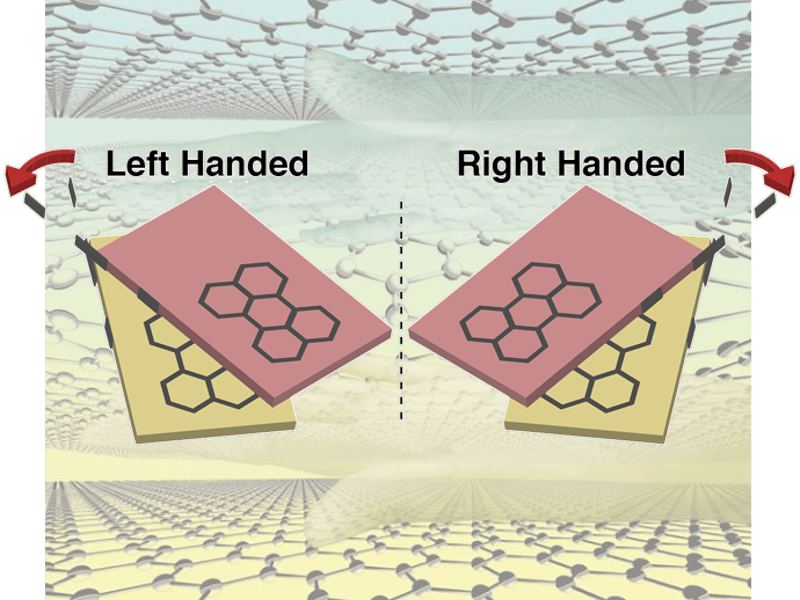
Through the Atomic Scale Looking Glass
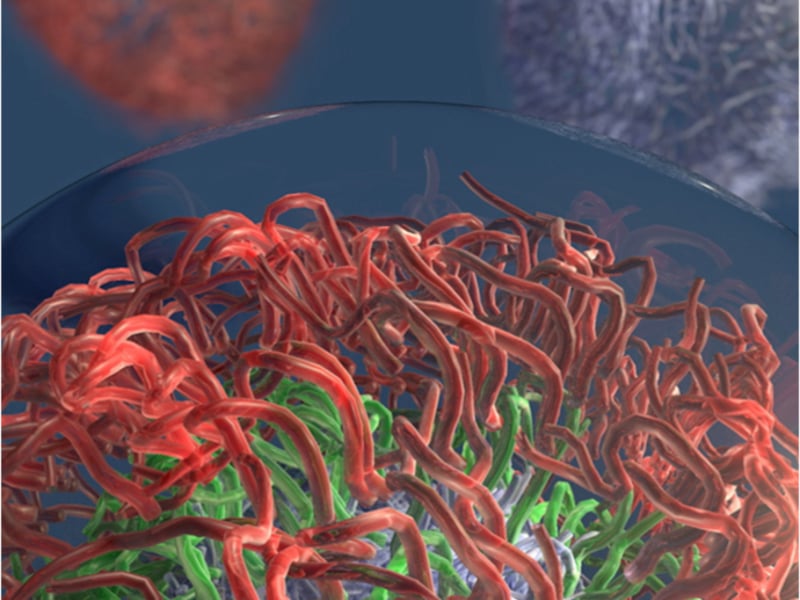
Programming molecular self-assembly of intrinsically disordered proteins
Gabriel López, University of New Mexico Ashutosh Chilkoti, Duke University Michael Rubinstein, University of North Carolina at Chapel Hill Nick Carroll, Duke University Joseph Simon, Duke University
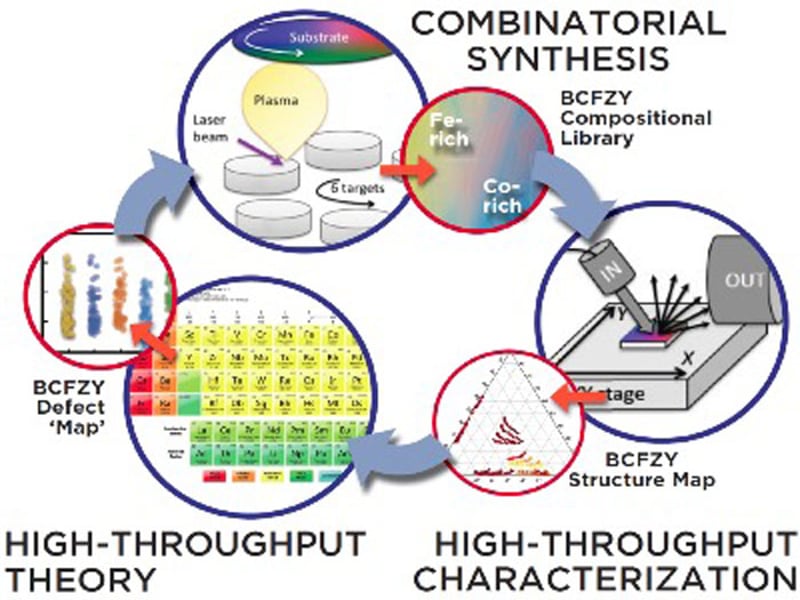
The materials genome gets hot!
V. Stevanovic, R. O’Hayre, A. Zakutayev REMRSEC, NSF DMR-0820518
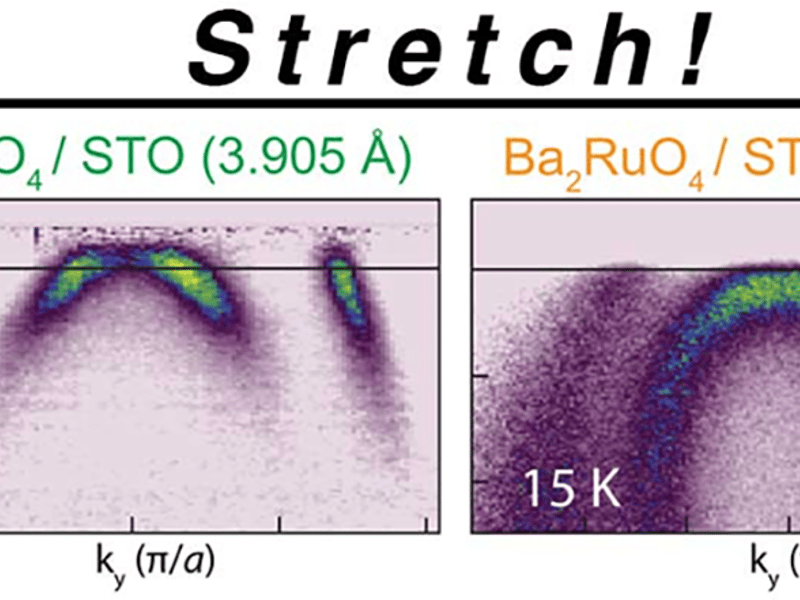
Simple stretch “flips” the sign of charge carriers
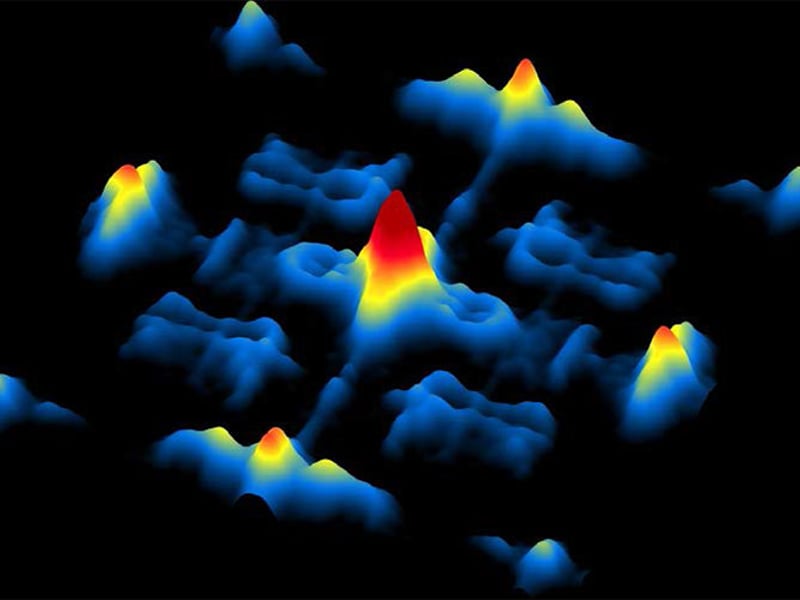
Down the rabbit hole: Sinking electrons in a Weyl sea
H. Inoue, Princeton University A. Gyenis, Princeton University Z. Wang, Princeton University J. Li, Princeton University S. Oh, Princeton University S. Jiang, Princeton University N. Ni, Princeton University B. A. Bernevig, Princeton University A. Yazdani, Princeton University Inoue, et al., Science 351, 1184 (2016)
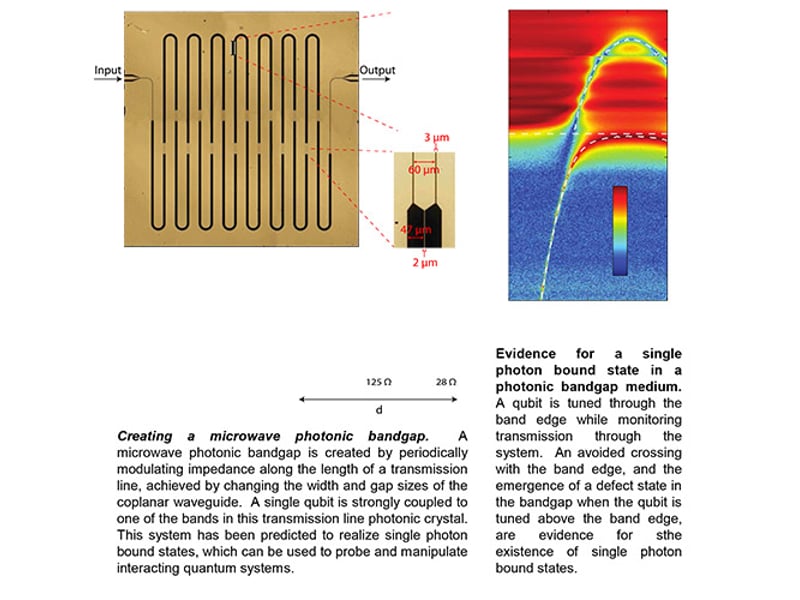
Single photon bound states in microwave photonic crystals
Andrew Houck, Princeton University Reference: Yanbing Liu and Andrew Houck, “Quantum Electrodynamics Near a Photonic Bandgap,” arXiv:1603.02998, submitted (2016).
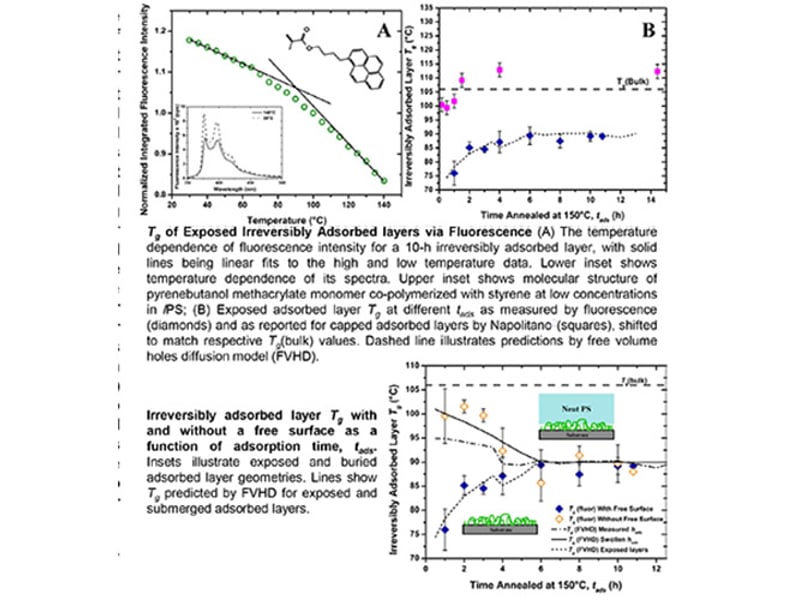
Glass transition of irreversibly adsorbed nanolayers
Rodney Priestley, Princeton University Richard Register, Princeton University Reference: Mary J. Burroughs, Simone Napolitano, Daniele Cangialosi, and Rodney D. Preistley, "Direct Measurement of Glass Transition Temperature in Exposed and Buried Adsorbed Polymer Nanolayers" (submitted 2016).
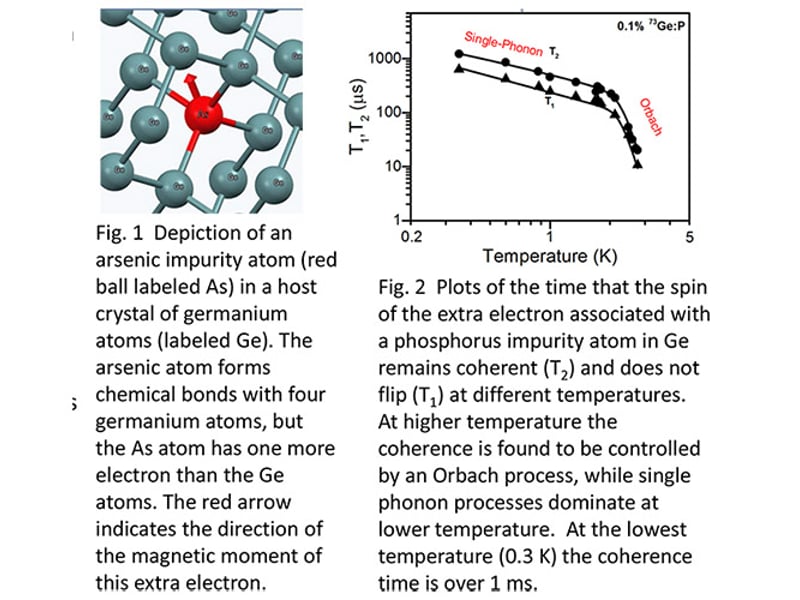
Electron spin coherence of shallow donors in germanium
Anthony Segillito, Princeton University Ryan Jock, Princeton University Alexei Tyryshkin, Princeton University J.W. Beeman, LBNL E.E. Haller, LBNL, UC-Berkeley Kohei Itoh, Keio University Stephen Lyon, Princeton University
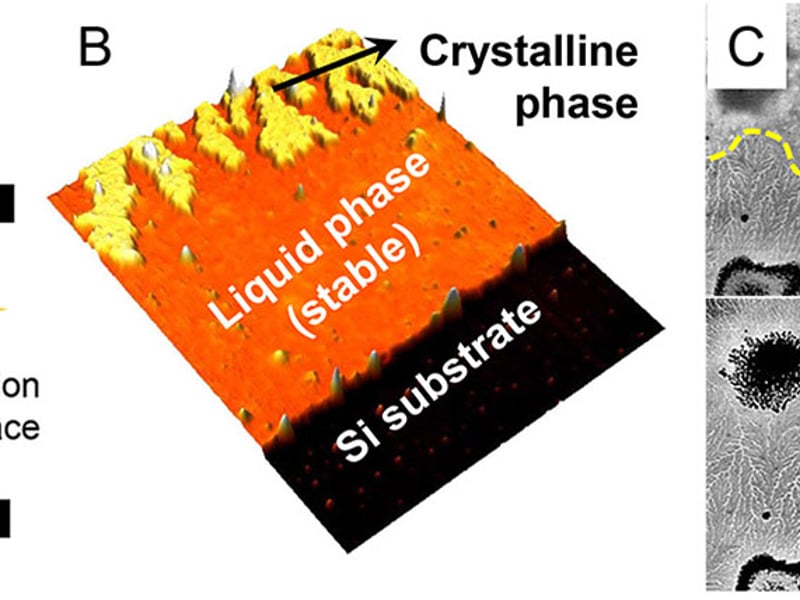
MAPLE of Polymer Films for Morphology Control
Craid Arnold, Princeton Univesity Lynn Loo, Princeton University Rodney Priestley, Princeton University
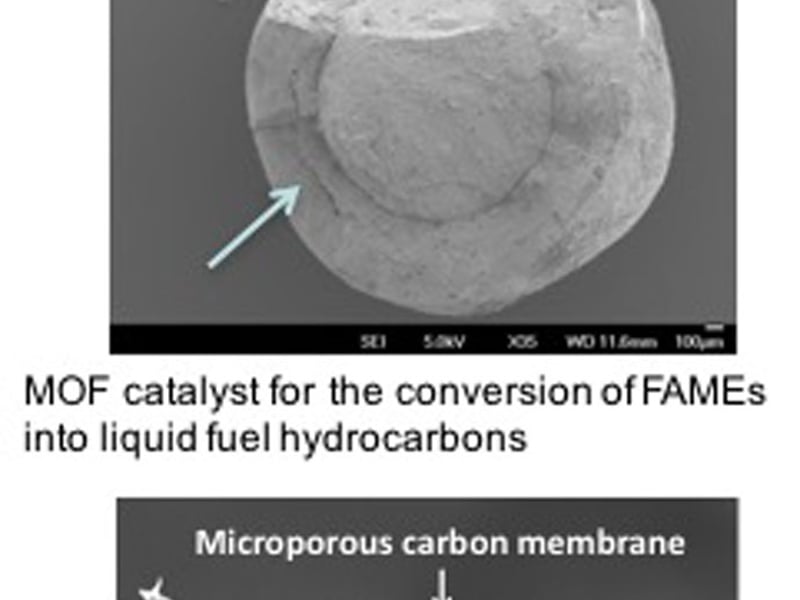
Successful synthesis of novel MOF compositions
M.A. Carreon, B. G. Trewyn, A. Sellinger
Showing 551 to 560 of 1433